AI
SOFTWARE ENGINEERING
Building Smarter, Faster, And Safer Software For The Enterprise
AI in software engineering means handing the repetitive work around coding, such as documentation, test writing, reviews and triage, to AI. Sanciti AI does this with governed agents, and an engineer approves every change.
In a world where releases occur daily, regulations evolve monthly, and talent gaps widen yearly, organizations are turning to AI Software Engineering to stay ahead. This isn’t just automation. It’s intelligence at every layer of the Software Development Lifecycle (SDLC).
An AI Software Engineer doesn’t simply generate snippets. It interprets goals, learns from data, enforces policy, and ensures each change is secure, traceable, and compliant. Platforms like Sanciti AI have turned this vision into an enterprise reality, combining intelligent agents, full-stack governance, and measurable acceleration across development, testing, and deployment.
- What Is AI Software Engineering?
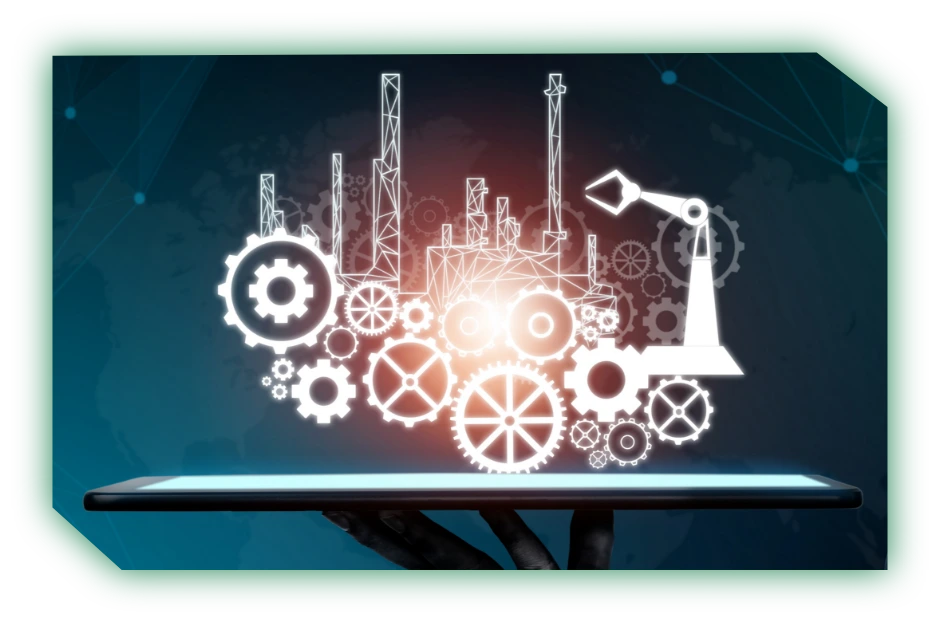
At its core, AI and Software Engineering combine data-driven decision-making with disciplined engineering processes. It’s the practice of embedding artificial intelligence into the daily fabric of software creation: from requirement analysis to post-production monitoring.
While traditional automation follows predefined rules, AI for Software Engineering observes how teams work, predicts bottlenecks, and dynamically adapts.
It blends reasoning with execution, applying lessons from each project to the next, improving cycle after cycle.
Key Principles
Contextual
Awareness
Systems understand dependencies, architectures, and team patterns.
Governed
Execution
All recommendations respect enterprise security and compliance frameworks.
Continuous
Validation
Every decision produces evidence traceable from requirement to release.
Human-In-Loop
Collaboration
Engineers retain creative control while AI manages consistency.
This discipline is what allows Automated Software Development to move beyond scripts and pipelines – into self-optimizing ecosystems that learn.
- Why It Matters To The Modern Enterprise
Every CIO faces a paradox:
Deliver faster, yet with more rigor. Cut costs, yet ensure higher quality.
Automation in Software Development solves only part of it. Enterprises still struggle with siloed tools, manual reviews, and knowledge loss.
AI Software Engineering resolves these contradictions by making every activity evidence-driven.
Business Impact:

Shorter
Lead Times
AI identifies redundant steps and compresses delivery by 30–50%.

Improved
Quality
Predictive validation catches 70 % of potential defects before QA.

Enhanced
Compliance
Automatic mapping to standards like OWASP, HIPAA, and NIST.

Sustained
Scalability
Frameworks evolve with the organization’s own data.

Measurable
ROI
From reduced technical debt to faster time-to-market.
These aren’t abstract benefits – they’re operational gains documented across industries through solutions such
as Sanciti AI’s Full-Stack SDLC Platform.
- How An AI Software Engineer Works
Imagine replacing repetitive oversight with intelligent coordination.
Here’s how a true AI Software Engineer operates within an enterprise pipeline:
REQUIREMENTS
AND
PLANNING
AI analyzes historical tickets, user stories, and architectural documents to generate testable acceptance criteria.
It flags ambiguity early, ensuring clarity before code begins.
DESIGN AND
DEVELOPMENT
Instead of generic suggestions, AI builds compliant scaffolds aligned with corporate standards.
It evaluates dependencies, predicts risk, and proposes code refactors before technical debt grows.
TESTING AND
QUALITY
ASSURANCE
Through Automated Software Development, the system generates missing unit and integration tests, prioritizes them by risk, and performs static + dynamic analysis automatically.
DEPLOYMENT
AND OPERATIONS
AI enforces consistent configurations, validates runtime policies, and blocks unsafe releases.
It keeps audit trails so every deployment is explainable and reversible.
LEARNING
AND
IMPROVEMENT
Each release feeds back telemetry to improve future predictions, a hallmark of AI and Software Engineering maturity.
These aren’t abstract benefits – they’re operational gains documented across industries through solutions such
as Sanciti AI’s Full-Stack SDLC Platform.
- Industry Examples
Finance – Reduces manual compliance checks by 60 % through continuous validation. Healthcare – Uses governed automation to ensure HIPAA and ADA adherence. Manufacturing – Applies predictive maintenance and AI-assisted QA to embedded systems.
IT Services – Automates delivery pipelines for multi-client environments using Sanciti AI Agents.
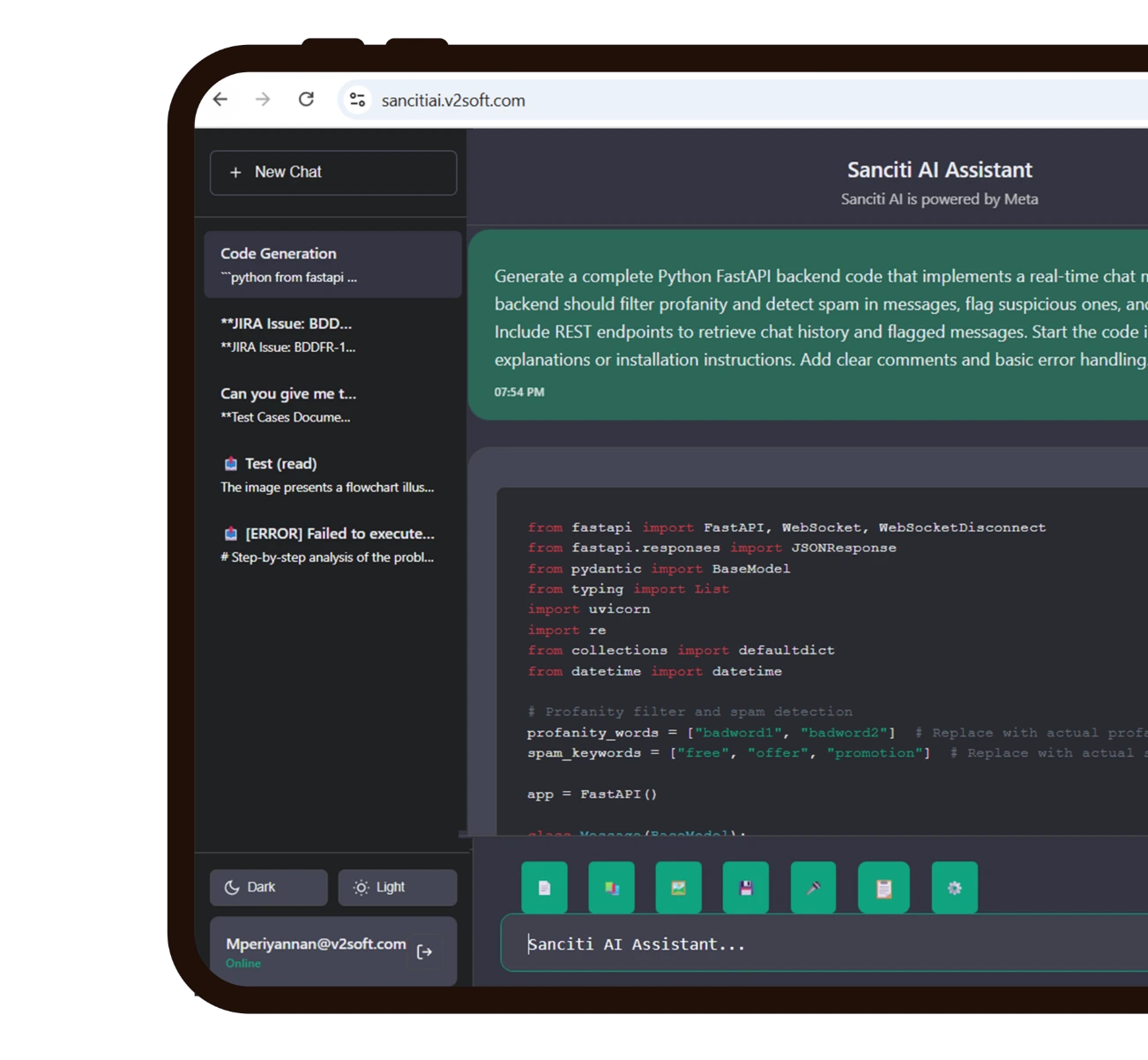
Underneath, Sanciti AI coordinates governed agents that execute tasks, write or refactor code where safe, generate tests, validate pipelines, and assemble audit-ready reports. Humans stay in the loop for intent, design trade-offs, and go/no-go calls.
- Governance And Trust
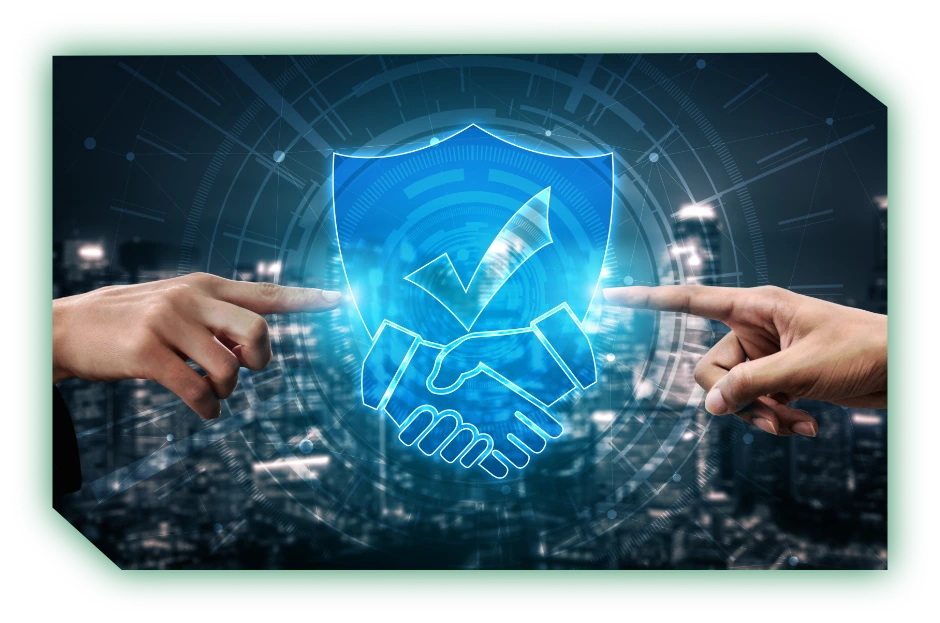
In enterprise settings, trust is earned through transparency. AI for Software Engineering must therefore be auditable.
Frameworks Such As Sanciti AI Establish:
- Access controls mirroring corporate identity systems.
- Versioned policy sets for reproducibility.
- Explainable outputs with justifications for every AI-driven action.
- Audit dashboards mapping requirement commit → test → release.
This transforms risk management from reactive to proactive, an essential differentiator in regulated industries.
- From Automation To Autonomy
Automation in Software Development executes commands; AI Software Engineers make judgments. This shift enables teams to spend more time designing features and less time policing pipelines.
With each cycle, AI becomes a silent collaborator – analyzing logs, suggesting fixes, and surfacing insights that once required manual correlation.
The transformation isn’t replacing people – it’s removing friction. And that’s precisely where Sanciti AI delivers value: human creativity amplified by agentic precision.
- Integrations And Scalability
Enterprise adoption hinges on compatibility. Modern platforms integrate directly with:
- GitHub, GitLab, Bitbucket
- Jenkins, Azure DevOps, CircleCI
- AWS, Azure, GCP clouds
- JIRA, ServiceNow for ticket automation
This interoperability allows AI Software Engineers to function as an overlay – orchestrating, not replacing, existing infrastructure.
- Strategic Roadmap For CIOs

Identify
high-friction
workflows.
Start where repetitive reviews consume most hours: QA automation, code validation, log triage.

Pilot with
governed
agents.
Implement one controlled environment to prove value.

Scale
through
integration.
Connect to CI/CD systems for continuous intelligence.

Institution -alize
governance.
Capture policies as reusable rule sets.

Measure
impact.
Benchmark delivery speed, defect density, and audit efficiency.
For deeper modernization insights, explore
- The Human Side Of AI Engineering
Adopting AI Software Engineering isn’t about headcount reduction; it’s about focus.
Engineers move from repetitive validation to creative problem-solving.
Project managers gain visibility through real-time dashboards.
Security teams receive continuous evidence instead of last-minute reports.
This alignment transforms delivery culture from reactive firefighting to strategic collaboration, a hallmark of mature digital enterprises.

- Frequently Asked Questions
It’s the integration of artificial intelligence within every SDLC phase, allowing software systems to build, test, and evolve with human oversight.
Assistants suggest code; engineers execute governed automation, planning, testing, and validation under enterprise policies.
Yes. Platforms such as Sanciti AI connect to current repositories and CI/CD pipelines, minimizing disruption.
Absolutely. It automatically checks code against frameworks like OWASP and NIST and produces audit-ready records.
Up to 40 % faster delivery cycles and 30 % lower QA costs within six months of adoption.
Yes. Governed agents operate within your security boundary and use enterprise authentication.
It elevates human roles: developers spend more time innovating and less on maintenance.
Visit the Full-Stack SDLC Platform to see governed AI automation in action.
The Era Of Intelligent, Governed Delivery Has Begun.
AI Software Engineering Represents Not A Trend But A New Discipline, Where Automation Thinks, Adapts, And Proves Its Value.
Organizations That Adopt It Today Will Define Tomorrow’s Software Benchmarks:
Secure By Design, Compliant By Default, And Accelerated By Data.
To experience how this approach looks in practice, explore
and learn how Sanciti AI brings intelligence, control, and velocity together in one enterprise framework.